Sunday, September 02, 2012


Saturday, August 11, 2012
Bought some breeding caves
Like most Loricariidae family Ancistrus Claro also likes to use a hole when spawning. The male picks a hole, cleans it and lures the female in it. The female deposits eggs and there her involvement ends. The male takes care of the eggs.
Because the average aquarium doesn't allow for the digging of holes people provide the fish with nesting sites. This can be as simple as a shard of flowerpot or a piece of PVC pipe but you can also supply a breeding cave.
I bought two from Wendy who runs her shop at legholen.com. She makes caves in a variety of colours and sizes. All are hand made and fired in a real kiln.I bought the smallest size cave.


As you can see we're dealing with a handmade product, no 2 are identical.
The caves are pretty nice actually. The colour matches the driftwood in my tank. The shape is irregular enough to break it up and let it camouflage. The finish is what you'd expect from unglazed ceramics, very rough but also very even. I'm hoping the roughness will encourage things growing on them. I think javamoss would take really easy.
Another nice thing about these caves is that they're very affordable! I bought these two for 2.90 each. Shipping was 5 euros which was very reasonable considering the actual cost was 6.75.
I do hope I guessed the size OK. Even though my fish still need to grow a bit it looks awfully big.

Because the average aquarium doesn't allow for the digging of holes people provide the fish with nesting sites. This can be as simple as a shard of flowerpot or a piece of PVC pipe but you can also supply a breeding cave.
I bought two from Wendy who runs her shop at legholen.com. She makes caves in a variety of colours and sizes. All are hand made and fired in a real kiln.I bought the smallest size cave.


As you can see we're dealing with a handmade product, no 2 are identical.
The caves are pretty nice actually. The colour matches the driftwood in my tank. The shape is irregular enough to break it up and let it camouflage. The finish is what you'd expect from unglazed ceramics, very rough but also very even. I'm hoping the roughness will encourage things growing on them. I think javamoss would take really easy.
Another nice thing about these caves is that they're very affordable! I bought these two for 2.90 each. Shipping was 5 euros which was very reasonable considering the actual cost was 6.75.
I do hope I guessed the size OK. Even though my fish still need to grow a bit it looks awfully big.

Monday, August 06, 2012
Ancistrus claro breeding report
The most complete breeding report for Ancistrus Claro I've found so far.
http://www.planetcatfish.com/forum/viewtopic.php?f=5&t=29468&hilit=claro
Looking forward to it. However based on what I've read so far it may well be spring 2013 before this is even an option.
http://www.planetcatfish.com/forum/viewtopic.php?f=5&t=29468&hilit=claro
Looking forward to it. However based on what I've read so far it may well be spring 2013 before this is even an option.
Sunday, August 05, 2012
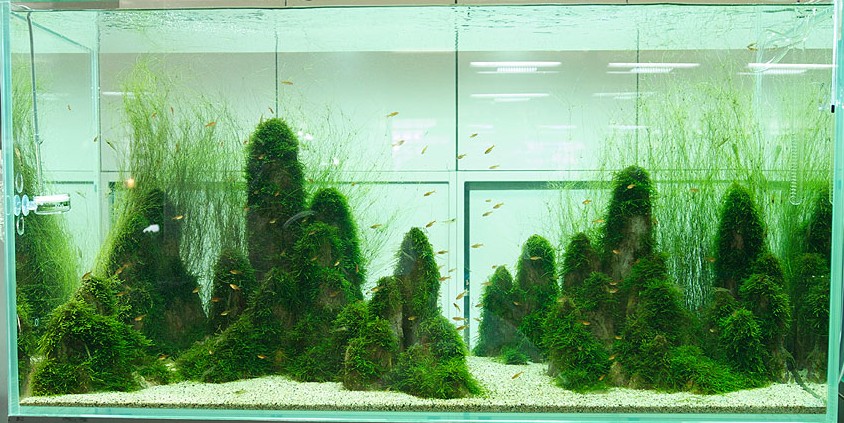
stunning aquascape "birch forest"

Stunning piece of work in 160 liters. I'd have prefered a bit of visible sand I think but still, very inspirational!
Wednesday, August 01, 2012
Ancistrus Claro background information
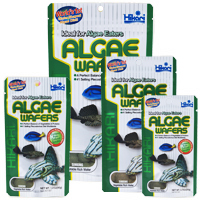
Well, it took another ten days but now 2 of the three ancistrus are happily taking all sorts of food now. Hikari algae wafers are a favourite but also cucumber and shelled peas.
 Like any hobbyist I'm always thinking about the next project even though the chances of actually creating such a project are remote. So I was wondering what a biotope aquarium would or could look like for this species. What we tend to forget is that a lot of species we keep in nicely planted aquariums (or kitsch monstrosities) come from rivers that feature little or no aquatic plants and the fish only get to meet plants in the rainy season when the rivers flood. Just look at this video of Neon Tetra in the wild:
Anyway, I've done some research into where these lovely little Ancistrus Claro come from. Turns out there's little information. Planetcatfish, pretty much the site to go to for any kind of catfish information, has this to say:
This species is found in Brazil, in the state of Mato Grosso, in the Rio Claro. It is also found in the Rio Coxipo and some small western tributaries.
Its natural habitat consists of fast flowing waters over a rocky bottom. Likes also to stay in quiet zones of these same river rapids. Safe will robust plants.
Fishbase disagrees a bit and says:
South America: Cuiabá River basin in upper Paraguay River drainage, Brazil.
Now.. I did a fair bit of googling but all you find for this region is information on the fish production of the region and on big game fishing. It's further complicated by the fact that there's Rio Claro all over South and Central America since it means "clear river".
What you do find if you google is references to the famous Heiko Bleher who pretty much grew up over there. Heiko creates beautiful biotope aquariums for special occasions. For Aqua-Fisch 2006 he made a Rio das Mortes biotope. Not the river system where Ancistrus Claro is found but close, at least the same state.

I got a bit frustrated by my search and decided to gamble. I wrote a polite email to Heiko asking what he knew. Figured I'd maybe get a reply in a few weeks if at all. Not that he's not a nice person but I expected him to be very busy.
To my astonishment I got an email back within four hours:
On habitat:
Well it is not correct that it is rocky ground and fast flowing. It is a normal flow and most of the habitat consists of sand (fine beige coloured), and driftwood, where they are mosty attached to/found. There grow Echinodoris species along the edges, which are submerse during the riany season. I would say you can use most of the Echinodorus, like E. bleherae, E. martii, E. latifolius, E. tenellus; etc.. There grows the floating Ludwiga helminthorrhiza; and L. inclinata. Also floating can be found Salvinia sp. Eichhornia crassipes and Azolla sp.
On tankmates:
Tankmates are: tetras: Hyphessobrycon melanopterus (small groups); Aphyocharax rhatbuni (also small groups); Nannostomus eques; N. trifasciatus; N. marginatus; catfishes: Corydoars sterbei; C. caudomaculatus; C. guapore; C. geryi; Otocinclus cf. affinis (could probably be any species you may ad); Rineloricaria cf. parva (could use several kinds, alwats 2-3); Platydoras costatus; cichlids: Apistogramma trifasciata; A. macilinesis; Mikrogeophagus altispinosa; Laetacara curviceps var., Cichlasoma boliviensis.
Echindorus are mostly a grassy looking family but Bleheri has broader leaves.. Ludwiga are finely build floaters that can even flower. Hyphessobrycon melanopterus is, apparently, also known as Hyphessobrycon callistus or possibly Heiko meant to type Megalopterus which is the well know black phantom tetra and from the same general area.
The next one we know and is also know as Redflank bloodtetra.

So, there's a nice looking schooling species.
Nannostomus are also known as pencilfish, here's marginatus:

Trifasciatus

And that's a very common, easy to obtain top level dweller. Rineloricariai is the twig-like catfish that has recently gained more interest, parva is the light coloured one.
So, there you have it. This could be done and the initial layout Heiko did back in 2006 is a feasible one. Get the slope, use a filler to keep from having all that sand on one end. Get some branches and pebbles in and plant clutches of echindorus. Or just sacrifice authenticity a bit and get some vallisnerea in as well.
I just wish I had a Rio 180 aquarium to start this project. :-)
Anyway, I've done some research into where these lovely little Ancistrus Claro come from. Turns out there's little information. Planetcatfish, pretty much the site to go to for any kind of catfish information, has this to say:
This species is found in Brazil, in the state of Mato Grosso, in the Rio Claro. It is also found in the Rio Coxipo and some small western tributaries.
Its natural habitat consists of fast flowing waters over a rocky bottom. Likes also to stay in quiet zones of these same river rapids. Safe will robust plants.
Fishbase disagrees a bit and says:
South America: Cuiabá River basin in upper Paraguay River drainage, Brazil.
Now.. I did a fair bit of googling but all you find for this region is information on the fish production of the region and on big game fishing. It's further complicated by the fact that there's Rio Claro all over South and Central America since it means "clear river".
What you do find if you google is references to the famous Heiko Bleher who pretty much grew up over there. Heiko creates beautiful biotope aquariums for special occasions. For Aqua-Fisch 2006 he made a Rio das Mortes biotope. Not the river system where Ancistrus Claro is found but close, at least the same state.

I got a bit frustrated by my search and decided to gamble. I wrote a polite email to Heiko asking what he knew. Figured I'd maybe get a reply in a few weeks if at all. Not that he's not a nice person but I expected him to be very busy.
To my astonishment I got an email back within four hours:
On habitat:
Well it is not correct that it is rocky ground and fast flowing. It is a normal flow and most of the habitat consists of sand (fine beige coloured), and driftwood, where they are mosty attached to/found. There grow Echinodoris species along the edges, which are submerse during the riany season. I would say you can use most of the Echinodorus, like E. bleherae, E. martii, E. latifolius, E. tenellus; etc.. There grows the floating Ludwiga helminthorrhiza; and L. inclinata. Also floating can be found Salvinia sp. Eichhornia crassipes and Azolla sp.
On tankmates:
Tankmates are: tetras: Hyphessobrycon melanopterus (small groups); Aphyocharax rhatbuni (also small groups); Nannostomus eques; N. trifasciatus; N. marginatus; catfishes: Corydoars sterbei; C. caudomaculatus; C. guapore; C. geryi; Otocinclus cf. affinis (could probably be any species you may ad); Rineloricaria cf. parva (could use several kinds, alwats 2-3); Platydoras costatus; cichlids: Apistogramma trifasciata; A. macilinesis; Mikrogeophagus altispinosa; Laetacara curviceps var., Cichlasoma boliviensis.
Echindorus are mostly a grassy looking family but Bleheri has broader leaves.. Ludwiga are finely build floaters that can even flower. Hyphessobrycon melanopterus is, apparently, also known as Hyphessobrycon callistus or possibly Heiko meant to type Megalopterus which is the well know black phantom tetra and from the same general area.
The next one we know and is also know as Redflank bloodtetra.
So, there's a nice looking schooling species.
Nannostomus are also known as pencilfish, here's marginatus:
Trifasciatus
And that's a very common, easy to obtain top level dweller. Rineloricariai is the twig-like catfish that has recently gained more interest, parva is the light coloured one.
So, there you have it. This could be done and the initial layout Heiko did back in 2006 is a feasible one. Get the slope, use a filler to keep from having all that sand on one end. Get some branches and pebbles in and plant clutches of echindorus. Or just sacrifice authenticity a bit and get some vallisnerea in as well.
I just wish I had a Rio 180 aquarium to start this project. :-)
Monday, July 16, 2012
Big aquarium update
The last picture was already somewhat old so time for a new one.

The Ceratopteris thalictroides at the back right have had some problems. Halfway the stems would go black and whole piece would come of. Not sure what has caused that. I've trimmed back the main plant and let some of the cuttings float a bit after which they rooted.
The rocks in the foreground have been covered with riccia because I got a bunch of it for free. I've also transfered some Rotala rotundifolia from the gallon experiment to see what it would do. Front left is some Echinodorus angustifolia which came free with the Riccia. Front right is the Pogostemon Helferi slowly spreading. The willowmoss on the sticks is growing so well it needs weekly pruning.
Now if you compare that with the previous picture you can see I've cleared away quite a bit on the left.

Fishwise I've added 3 ancistrus claro because I couldn't resist these small bristlenoses. That's a major break with the mainly asian theme but I just could not find an Asian bottom dweller that was plant safe and shrimp safe.
The claros do show themselves on the glass or the back where's there's the most algae. Sometimes one rests on a foreground pebble. Lovely sight!

The Ceratopteris thalictroides at the back right have had some problems. Halfway the stems would go black and whole piece would come of. Not sure what has caused that. I've trimmed back the main plant and let some of the cuttings float a bit after which they rooted.
The rocks in the foreground have been covered with riccia because I got a bunch of it for free. I've also transfered some Rotala rotundifolia from the gallon experiment to see what it would do. Front left is some Echinodorus angustifolia which came free with the Riccia. Front right is the Pogostemon Helferi slowly spreading. The willowmoss on the sticks is growing so well it needs weekly pruning.
Now if you compare that with the previous picture you can see I've cleared away quite a bit on the left.

Fishwise I've added 3 ancistrus claro because I couldn't resist these small bristlenoses. That's a major break with the mainly asian theme but I just could not find an Asian bottom dweller that was plant safe and shrimp safe.
The claros do show themselves on the glass or the back where's there's the most algae. Sometimes one rests on a foreground pebble. Lovely sight!

Now I am a bit worried about these new fish. They move about, seem healthy, graze algae but any attempt at feeding them with fresh vegetables has led to this:

A shrimp feeding frenzy!
I've tried:
- shelled peas
- thawed spinach
- cucumber
- corydoras wafers.
Nothing leads to any reaction. I just hope these guys will pick it up once the algae gets depleted and that they're not such whimps that they let themselves be outcompeted for food by a bunch of crusteceans.
Thursday, July 12, 2012
Ancistrus Claro
Back in the 1980s when I got my first aquarium you could buy a few species of Corydoras but that was about it. These days there's hunderds of South-American species available. When I saw the big Pterygoplichthys I realized I really wanted something of the Loricariidae family. For that family planetcatfish is the place to do your research.
So, after a lot of reading and staring at pictures of beauties like L260 I decided on Ancistrus Claro. Like all Ancistrus elatively easy to keep and breed and a very strict vegetarian that wouldn't treat my shrimp as an all you can eat buffet. Out of the family of more than 90 species only a handful can be found here.
Now.. where to find these? This country is littered with Ancistrus dolichopterus and Temminckii are common as well as the albino version. You can pick these up for a euro or two from any hobbyist keeping them. Claro proved to be more elusive.
There's only one shop in the country that stocks these and that's Aqua-Ferrytale. (lovely shop, loads of very healthy fish including quite a few hard to find species). So, yesterday I drove over and picked up the last three. These fish come from a small breeder somewhere in Germany who seems to be the only one breeding these commercially in North-West Europe. The guy drives over here about once a quarter to deliver fish.


So, after a lot of reading and staring at pictures of beauties like L260 I decided on Ancistrus Claro. Like all Ancistrus elatively easy to keep and breed and a very strict vegetarian that wouldn't treat my shrimp as an all you can eat buffet. Out of the family of more than 90 species only a handful can be found here.
Now.. where to find these? This country is littered with Ancistrus dolichopterus and Temminckii are common as well as the albino version. You can pick these up for a euro or two from any hobbyist keeping them. Claro proved to be more elusive.
There's only one shop in the country that stocks these and that's Aqua-Ferrytale. (lovely shop, loads of very healthy fish including quite a few hard to find species). So, yesterday I drove over and picked up the last three. These fish come from a small breeder somewhere in Germany who seems to be the only one breeding these commercially in North-West Europe. The guy drives over here about once a quarter to deliver fish.


Got these home, carefully drip acclimatised them and let them go. They went and hid behind the plants and started scraping away at the 6 years of growth on the filter housing.
I'm really quite curious how these will do. I suspect I've got two females and one male and would really like to get these to breed.
Saturday, July 07, 2012
Raspberry pi as media player, part 2
Openelec
I bought a fresh memory card, supposedly a class 10 capable of 20mb/s.I then downloaded and installed a tool capable of writing linux disk images, Image Writer for Windows. After that I grabbed the latest image version of openelec.Go to http://openelec.thestateofme.com/ and scroll all the way down and download the most recent zipfile. Extract it and use imagewriter to put it on the SD card. Pop in the card and power up your raspberry.
Now I can't tell you how quickly this boots because by the time I'd found the TV remote and switched to the right channel it was already running. XBMC looks just like it does with raspbmc. Playing content is a matter of checking the sound output is correct in the settings screen and adding a source. I used PnP which my synology supports.
Playback was smoother than raspbmc. Raspbmc has the occasional stutter on higher bitrate mp4 files, Openelec is as smooth as 18 year old scotch.
If you run into problems, just go here.
Friday, July 06, 2012
homemade fishfood
I've put out a big half-barrel of water. Rainwater with some dirt that got in there accidentally. At the back of the garden I've had a big flowerpot that turned out waterproof. 3/4 of that is clay from the garden, the rest is water.
A quick thrawl trough both with a net yielded this nice selection of fish food. The small lines are young mosquito larvae, the big red things are tubifex. I always put the catch in a white containter since it makes it easier to check for anything unwanted.

The last two weeks or so my fish have been getting live food at least once a day. All that seems to have sent some hormones surging. One of my few remaining boraras brigittae seems to experience a hormone surge:

And the big guys are nicely coloured too:

When you do put out water do keep an eye out for damselfly larvae.
A quick thrawl trough both with a net yielded this nice selection of fish food. The small lines are young mosquito larvae, the big red things are tubifex. I always put the catch in a white containter since it makes it easier to check for anything unwanted.

The last two weeks or so my fish have been getting live food at least once a day. All that seems to have sent some hormones surging. One of my few remaining boraras brigittae seems to experience a hormone surge:

And the big guys are nicely coloured too:

When you do put out water do keep an eye out for damselfly larvae.
Tuesday, July 03, 2012
Raspberry pi as media player, part 1

I finally got my raspberry pi in the mail last Saturday. Today I got time to play with it. Got a cheap HDMI cable, a no-name SD card, the power supply from my HTC and a keyboard and mouse. Plugged in network to connect to my Synology DS110j NAS and I was ready. Here's a shot of it with an AA battery for size.

Decided to try Raspbmc first since I couldn't find a way to install openelec from a windows machine. So I got the installer and pointed it to the SD card. 10 minutes later it was done. Plugged it into the Raspberry and watched it boot. Familiar linux style boot after which raspbmc started updating. I left it running for about an hour.
After that I found that I really know nothing about XBMC. But, the raspbmc project is reasonably well documented. So add some sources, discovered that you need to tell it to direct sound to the HDMI port and not some fancy receiver. A few minutes later I was watching some downloaded content. Most things work, high res mkv files do put a strain on the little processor though and there's the occasional sound problem.
I'm now watching an episode of "the Hairy Bikers" that I downloaded several weeks ago. Sound is good, picture is very, very crisp.

I need to tweak this, find a way to remote control and see if I can do some tuning for speed. Still, a very, very promising start. Tomorrow I'm going to try openelec using this guide.
Friday, June 29, 2012
Tying Riccia, a first attempt
A kind person send me a batch of plants in the mail including a hefty supply of Riccia Fluitans, the plant often used by the serious aquascaper to coat rocks.I did some reading and found out you can do this with pebbles as well as rocks. All you really need is some fine netting. As a bonus it's not very demanding on CO2 and light as a lot of other aquascaping plants.
So, I went to Action, a local chain that only sells cheap stuff from China. For 85 cents I got two wads of netting that are intended as some kind of bath sponge. I also got some pebbles from the garden, gave them a quick boil to kill any nasties and let them cool down.
Whenever I work with plants I always use my dedicated plant scissors (stainless steel, ikea) and a plastic serving tray (also ikea).
 Now, first step is to unravel the netting. Remove the cord and you end up with about a meter's worth of the stuff.

Next, get a pebble and cut a piece of netting that will cover the pebble with some left over so you can use a small ty-rap to secure it

Try to apply a thin but even coat of Riccia
 And wrap in the netting.
 Twisting it at the back. Secure with a ty-rap and cut of the ends of netting and ty-rap.
 Now it doesn't look like much outside of the water. In the water it doesn't look much better yet.

Right after I took this picture the shrimps and snails were all over it which worried me a lot. However, 5 days later they look like this:
 There's clearly some new growth but it's also clear that on the front left and right I haven't used enough Riccia. I'll update this in a week and two weeks.
So, I went to Action, a local chain that only sells cheap stuff from China. For 85 cents I got two wads of netting that are intended as some kind of bath sponge. I also got some pebbles from the garden, gave them a quick boil to kill any nasties and let them cool down.
Whenever I work with plants I always use my dedicated plant scissors (stainless steel, ikea) and a plastic serving tray (also ikea).


Next, get a pebble and cut a piece of netting that will cover the pebble with some left over so you can use a small ty-rap to secure it

Try to apply a thin but even coat of Riccia


Right after I took this picture the shrimps and snails were all over it which worried me a lot. However, 5 days later they look like this:

Friday, June 22, 2012
1 gallon gets lighted
Was at Ikea recently and noticed they had 4 watt led "light bulbs". Recalled that my mention an old reading lamp somewhere. So, we gave in.

After 4 days it shows the difference. Everything is growing more upright and the Echindorus is now sending out it's first runners. The plants are doing better now, table still isn't stable enough

After 4 days it shows the difference. Everything is growing more upright and the Echindorus is now sending out it's first runners. The plants are doing better now, table still isn't stable enough
Wednesday, June 06, 2012
bamboo sticks in trouble
Slight trouble in the tank, the partially cracked bamboo stick is now showing signs of decomposition. It's clearly discoloured. Pretty soon it will have to go.
I'll keep my eyes open for some suitable driftwood sticks.
I'll keep my eyes open for some suitable driftwood sticks.
Saturday, May 26, 2012
4.5 liter / 1 gallon planted tank makeover
After two weeks I had enough information to decide I needed to change a few things. The new location works out, temperature is much more stable. There was some algae on the tank walls which I wiped away with a piece of spunge. I've also added a few extra Malaysian Trumpet Snails to help keep it under control.
Plantwise, Pogostemon Helferi did surprisingly well. It was a bit less brilliant green and growth was slow but it had obviously taken. Hygrophila polysperma of which I was really worried last week has recovered and is slowly growing.The tiny anubias, which was a bit dodgy to begin with, wasn't working out all that well. I suspect these guys need a bit more light.
 Now I'd read Diana's piece on shrimp bowls as well as a few other odds and ends and she always speaks highly of Echinodorus tenellus and likes Rotala rotundifolia as well. I read up on E. Tenellus and suspect it might do very well as a filler plant. I think it is going to form a dense forest quite easily.
I ended up ordering 3 pots of Echinodorus Tenellus and 1 pot of Rotala Rotundifolia for the grand total of 11 euros and 40 cents. For plants I've recently switched to aquaplantsonline.nl. Good plants at very decent prices. To prepare for the work I took the tank from it's place, drained 60% of the water and put it on the plastic IKEA serving tray I use for these jobs (easy to clean and keeps the table spotless).
E. Tellus:

Three shotglass sized plastic pots filled with rockwool. Obviously well rooted which is something I like to see when I buy plants. The one on the right was even flowering. Now, as most readers will know, when they arrive like this they're not suited to plant. In the pots they look terrible and if you plant them with the rockwool attached they'll take forever to settle in and spread. So, some disassembly is required:
 Remove the pot and you see what you need to remove while damaging the roots as little as possible. Take note of what emerges above "ground"level, that's how they need to be planted. What works best is first work around the outside, pick of what goes easy. Then take a good look and see how many strands you have. Divide and pick the strands clean.
 I ended up with 10 strands of E. Tellus out of 3 pots.
Rotala rotundifolia was more or less the same story only this plant doesn't do strands but has a more bush-like growth. Once again, pick it clean and take a good look. I decided to tear the bush in three and plant it out. After this I refilled the tank, put it back in it's place and let it settle. When you've done work it's tempting to grab the camera immediately. Bad idea, the water's likely to be cloudy and the plants need to find their positions.

In the back E.Tellus. Front left you can just see the curly leafs of a small Pogostemon Helferi and behind it the round leaves of Rotala Rotundifolia. Sticking out of the water on the left is a E. Tellus flower.
In a day or so I'll try to do a few overview shots and maybe a drawing of how I set it up. The curved walls make it difficult to do a good frontal overview shot.
Plantwise, Pogostemon Helferi did surprisingly well. It was a bit less brilliant green and growth was slow but it had obviously taken. Hygrophila polysperma of which I was really worried last week has recovered and is slowly growing.The tiny anubias, which was a bit dodgy to begin with, wasn't working out all that well. I suspect these guys need a bit more light.

I ended up ordering 3 pots of Echinodorus Tenellus and 1 pot of Rotala Rotundifolia for the grand total of 11 euros and 40 cents. For plants I've recently switched to aquaplantsonline.nl. Good plants at very decent prices. To prepare for the work I took the tank from it's place, drained 60% of the water and put it on the plastic IKEA serving tray I use for these jobs (easy to clean and keeps the table spotless).
E. Tellus:

Three shotglass sized plastic pots filled with rockwool. Obviously well rooted which is something I like to see when I buy plants. The one on the right was even flowering. Now, as most readers will know, when they arrive like this they're not suited to plant. In the pots they look terrible and if you plant them with the rockwool attached they'll take forever to settle in and spread. So, some disassembly is required:


Rotala rotundifolia was more or less the same story only this plant doesn't do strands but has a more bush-like growth. Once again, pick it clean and take a good look. I decided to tear the bush in three and plant it out. After this I refilled the tank, put it back in it's place and let it settle. When you've done work it's tempting to grab the camera immediately. Bad idea, the water's likely to be cloudy and the plants need to find their positions.

In the back E.Tellus. Front left you can just see the curly leafs of a small Pogostemon Helferi and behind it the round leaves of Rotala Rotundifolia. Sticking out of the water on the left is a E. Tellus flower.
In a day or so I'll try to do a few overview shots and maybe a drawing of how I set it up. The curved walls make it difficult to do a good frontal overview shot.
Friday, May 25, 2012
Some odds and ends from the web
Looking for aquarium magazines I found a free to download aquarium magazine called "Redfish". Looks good, information is interesting and it's free to download as a PDF. There's also "Online Aquarium-Magazin". Looks a bit less spiffy and it's in German, still some good information.
An interesting article by Heiko Bleher looking at some tiny species from South America.
Tropicalfishfinder has an overview of sub-tropical and tiny rice fish from Asia.
Aquascapetv has some pictures from Interzoo 2012 on facebook. I'm still looking for a decent show report though.
An interesting article by Heiko Bleher looking at some tiny species from South America.
Tropicalfishfinder has an overview of sub-tropical and tiny rice fish from Asia.
Aquascapetv has some pictures from Interzoo 2012 on facebook. I'm still looking for a decent show report though.
Saturday, May 19, 2012
4.5 liter / 1 gallon planted tank day 7
A week up and running. Quick water check tells me it's just about cycled. Not surprising since I introduced a lot of bacteria from the other tank.
I've trimmed down the willow moss quite a bit, removed a few strings of algae and rubbed the glass clean.
The anubias seems to take, it's forming a new leaf. Cabomba, strangely enough, is very slow to take. Pogostemon helferi has taken but grows very slowly. Strangely enough Hygrophila polysperma seems to be dying, never done that to me before.
I think there's potential in this setup but I need to adjust the plants. Echinodorus tenellus and Sagittaria subulata have a lot of potential since they're marshy subtropical plants. I see no need to add any additional equipment to this set.
I've trimmed down the willow moss quite a bit, removed a few strings of algae and rubbed the glass clean.
The anubias seems to take, it's forming a new leaf. Cabomba, strangely enough, is very slow to take. Pogostemon helferi has taken but grows very slowly. Strangely enough Hygrophila polysperma seems to be dying, never done that to me before.
I think there's potential in this setup but I need to adjust the plants. Echinodorus tenellus and Sagittaria subulata have a lot of potential since they're marshy subtropical plants. I see no need to add any additional equipment to this set.
Wednesday, May 16, 2012
Quick update on the big aquarium
Today I introduced some leaf litter.I'd collected some beach leaves. Put those in the microwave for 3 minutes and soaked them for 24 hours to get them nice and waterlogged. Even so they needed a few pebbles to weigh them down.
The shrimp went absolutely crazy over them. Within minutes they were exploring every pore of the leaves. Soon after followed the snails.
I also took an overview picture. Plantwise I'm now quite happy with the looks.


The shrimp went absolutely crazy over them. Within minutes they were exploring every pore of the leaves. Soon after followed the snails.
I also took an overview picture. Plantwise I'm now quite happy with the looks.

Story about my big aquarium
I still remember when I got my first aquarium. I must have seen a good looking one at someone else's home and that sowed the seeds in my mind. I asked my parents and they said OK if you can present a good plan. So I hit the library and did my research. I ended up buying a used 60x40x40cm tank without a hood. Stuck a basic external filter on it driven by a noisy airpump. Despite my research I made all sorts of mistakes but also learned a lot. Tiger barbs and guppies did well, mollies, platies and Valisneria where big fails.
Eventually I quit that a few years later.
Around the turn of the century the aquarium virus struck again. I used my Y2K bonus to buy a Juwel Rekord 60, the basic tank from the well known German manufacturer. Built in filter, hood with a single tube. Biggest setback came around 2004 when fish TB hit my tank. I'd dealt with that when a move wiped out most of my remaining stocks.
In 2006 I rebuilt and used a fine white gravel, tiny pellets, looked good. For the first time I had real and unexplainable problems. My plants did fine, the shrimp I got from a friend reproduced like rabbits and yet the tetras and aspidoras never did well. Tried everything I knew and never could get rid of the sky high hardness and PH. I gave up for a while and took care of the survivors as best as I could.
In late 2011 I finally had some more time and decided to solve the problem. Turned out that fine white gravel was almost pure calcium. I put some in strong vinegar solution and found it was almost pure calcium, it totally dissolved in 72 hours. March 2012 saw the third build since I'd bought the tank. This time I went for quality materials. Dekoline gravel which is fine quartz coated in a thin layer of some kind of resin to make it inert and allow roots better grip. I retained most plants including a nice looking piece of driftwood which I started covering with anubias two years earlier and which is totally covered by now.

The left side of the tank is taken up by Hygrophila Corymbosa which I bought from Ikea for 2 euros. Simple, grows well, when it gets too tall I chop the top of and plant it again.
Back right is Ceratopteris thalictroides. Lovely plant, stuck in in to camouflage the built-in filter. It grows extremely well! In front of the filter my willow moss covered bamboo sticks. Recently my micro rasboras (mix of brigittae and merah) have taken to hanging around there.
Eventually I quit that a few years later.
Around the turn of the century the aquarium virus struck again. I used my Y2K bonus to buy a Juwel Rekord 60, the basic tank from the well known German manufacturer. Built in filter, hood with a single tube. Biggest setback came around 2004 when fish TB hit my tank. I'd dealt with that when a move wiped out most of my remaining stocks.
In 2006 I rebuilt and used a fine white gravel, tiny pellets, looked good. For the first time I had real and unexplainable problems. My plants did fine, the shrimp I got from a friend reproduced like rabbits and yet the tetras and aspidoras never did well. Tried everything I knew and never could get rid of the sky high hardness and PH. I gave up for a while and took care of the survivors as best as I could.
In late 2011 I finally had some more time and decided to solve the problem. Turned out that fine white gravel was almost pure calcium. I put some in strong vinegar solution and found it was almost pure calcium, it totally dissolved in 72 hours. March 2012 saw the third build since I'd bought the tank. This time I went for quality materials. Dekoline gravel which is fine quartz coated in a thin layer of some kind of resin to make it inert and allow roots better grip. I retained most plants including a nice looking piece of driftwood which I started covering with anubias two years earlier and which is totally covered by now.
The left side of the tank is taken up by Hygrophila Corymbosa which I bought from Ikea for 2 euros. Simple, grows well, when it gets too tall I chop the top of and plant it again.
Back right is Ceratopteris thalictroides. Lovely plant, stuck in in to camouflage the built-in filter. It grows extremely well! In front of the filter my willow moss covered bamboo sticks. Recently my micro rasboras (mix of brigittae and merah) have taken to hanging around there.
Tuesday, May 15, 2012
4.5 liter / 1 gallon planted tank day 3
Ever since it was up and running I've been keeping track of temperatures.

As you can see it drops significantly over the night. On the first day I had some bright sun directly on the tank which really heated things up. Looks like I'll have to find a different spot for it out of direct sunlight.
The plants themselves may be taking. The anubias is looking scruffy but I'm hoping it bounces back. The willow moss is pumping out O2 bubbles like crazy. I'm a bit worried about that one stealing everyone's CO2.
Tech for tiny tanks
As soon as you move below 20 liters the choices in equipment become really limited. There's a very few internal filters but even those would take up 20-30% of my space.
Superfish makes the aqua 50 which they sell with their small tanks. At about 8 euros it's a good deal. Most people who keep tanks this small just stick a sponge filter in. Problem there is to find an air pump that's silent.
Heating is even more tricky. And here your choices get really limited. At 14 cm for an adjustable 10 watts of power the Aquarium Systems Newattino is the smallest choice. Retails for about 15 euros.
I'm relocating it tomorrow and doing the first water change.
As you can see it drops significantly over the night. On the first day I had some bright sun directly on the tank which really heated things up. Looks like I'll have to find a different spot for it out of direct sunlight.
The plants themselves may be taking. The anubias is looking scruffy but I'm hoping it bounces back. The willow moss is pumping out O2 bubbles like crazy. I'm a bit worried about that one stealing everyone's CO2.
Tech for tiny tanks
As soon as you move below 20 liters the choices in equipment become really limited. There's a very few internal filters but even those would take up 20-30% of my space.
Superfish makes the aqua 50 which they sell with their small tanks. At about 8 euros it's a good deal. Most people who keep tanks this small just stick a sponge filter in. Problem there is to find an air pump that's silent.
Heating is even more tricky. And here your choices get really limited. At 14 cm for an adjustable 10 watts of power the Aquarium Systems Newattino is the smallest choice. Retails for about 15 euros.
I'm relocating it tomorrow and doing the first water change.
Monday, May 14, 2012
4.5 liter / 1 gallon planted tank day 2
Using the chopsticks I planted some left over plants and cuttings to see what would work and what won't work.

I've got the lid on it on a few spacers to allow for gas exchange.
What's in here:
I've lodged the cambomba and the willow moss under a pebble, see if it will take root
After an hour or so of sunlight the willow moss was really pumping out the oxygen. I've kept a close eye on the thermometer, it topped out at 27 degrees C.
Once again, this isn't intended to look nice (yet) but to gain experience, see what will work and what will not.
Todo for the next week

I've got the lid on it on a few spacers to allow for gas exchange.
What's in here:
- Fontinalis antipyretica (willow moss)
- Pogostemon Helferi
- Anubias Nana
- Cabomba aquatica
- Hygrophila Polysperma
- two unidentified plants
I've lodged the cambomba and the willow moss under a pebble, see if it will take root
After an hour or so of sunlight the willow moss was really pumping out the oxygen. I've kept a close eye on the thermometer, it topped out at 27 degrees C.
Once again, this isn't intended to look nice (yet) but to gain experience, see what will work and what will not.
Todo for the next week
- Daily temperature readings
- Keeping an eye out for algae
- See how many snails I've accidently transfered
- Syphon away the pieces of dirt that some escaped and mess up the looks of the sand.
Subscribe to:
Posts (Atom)